Getting the Heat Right: Drying Ceramic vs. Semi-Metallic Brake Pads
Here is the thing about drying brake pads: you can’t just throw them all in the same oven and hope for the best. Ceramic and semi-metallic materials are like two different animals. If you treat them the same, you’re going to have a bad day—either the core stays wet or you scorch the surface.
It’s all about how they soak up heat
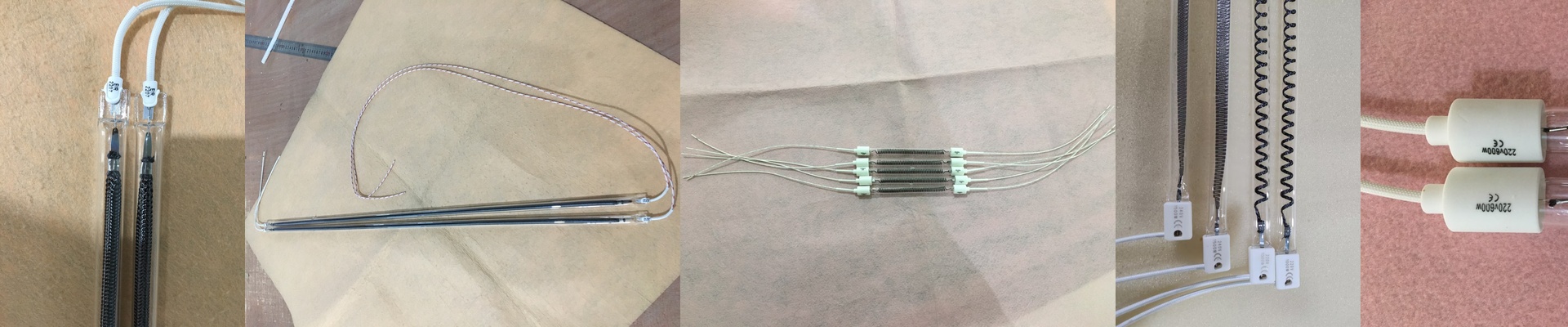
Semi-metallics are packed with steel and copper. Because of that, they tend to bounce IR energy right back. Ceramics are different; they soak up heat more evenly, but they’re picky. They need a very specific wavelength to actually get deep into the resin binder. We handle this by swapping between short-wave and medium-wave emitters. It’s the only way to stop “skinning.” You know the feeling—where the outside looks bone-dry, but there’s still moisture trapped inside. Not a good look.
Picking the right tools for the job
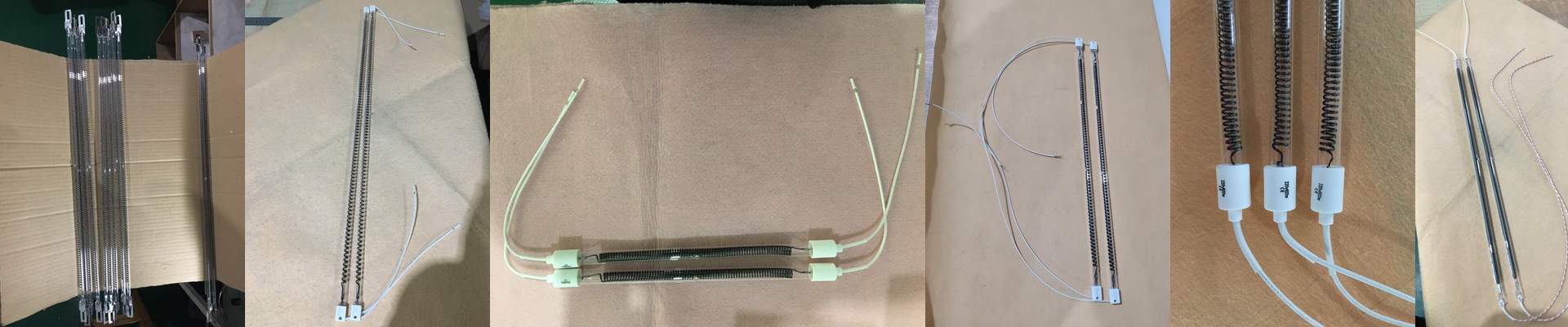
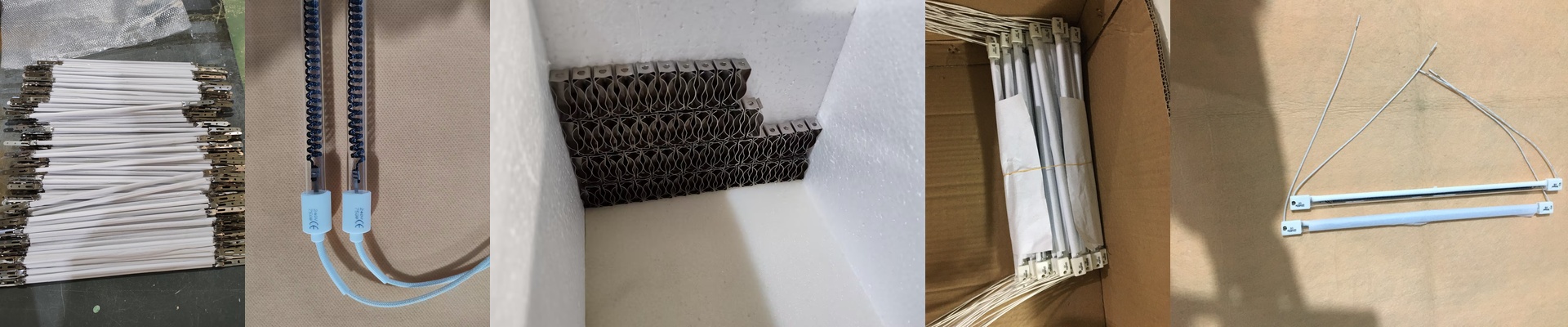
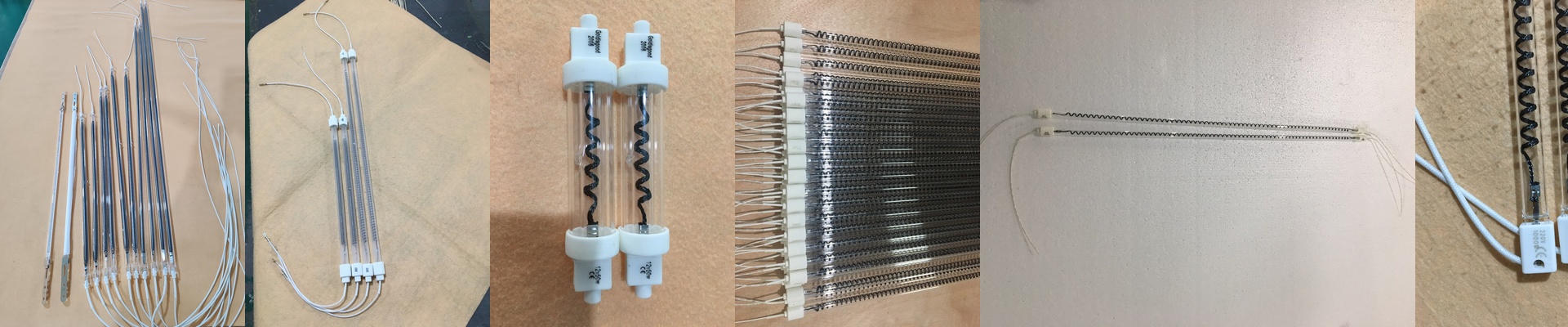
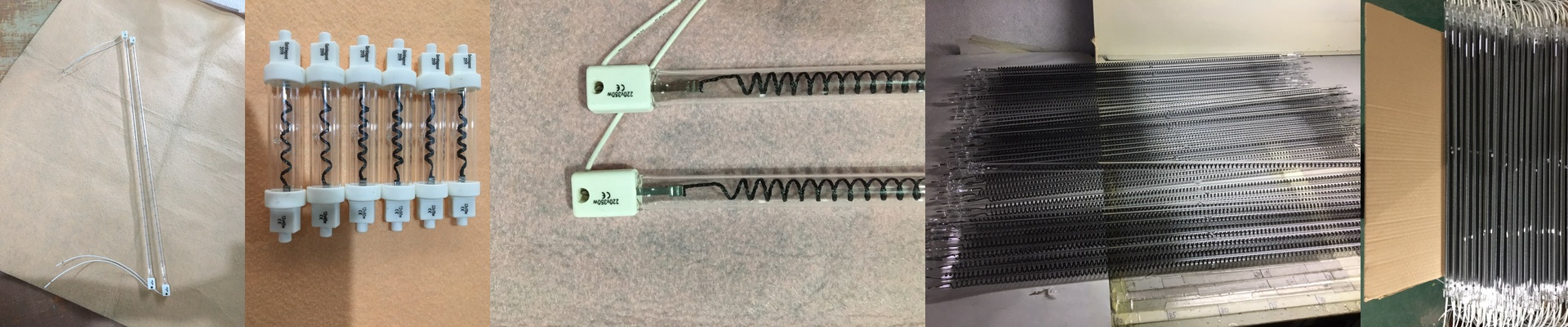
We don’t just guess on the wattage. We look at how the material actually breathes and absorbs heat. For those semi-metallic lines, we usually go with coated quartz tubes. This shifts the light spectrum so the heat actually sinks into the friction material instead of just glancing off the metallic flakes. But you have to be careful. Crank the wattage too high to speed up the line, and you’ll warp the backing plate. It’s a balancing act. We spend a lot of time tweaking the distance between the lamp and the part to keep the temperature steady.
The reality of the shop floor
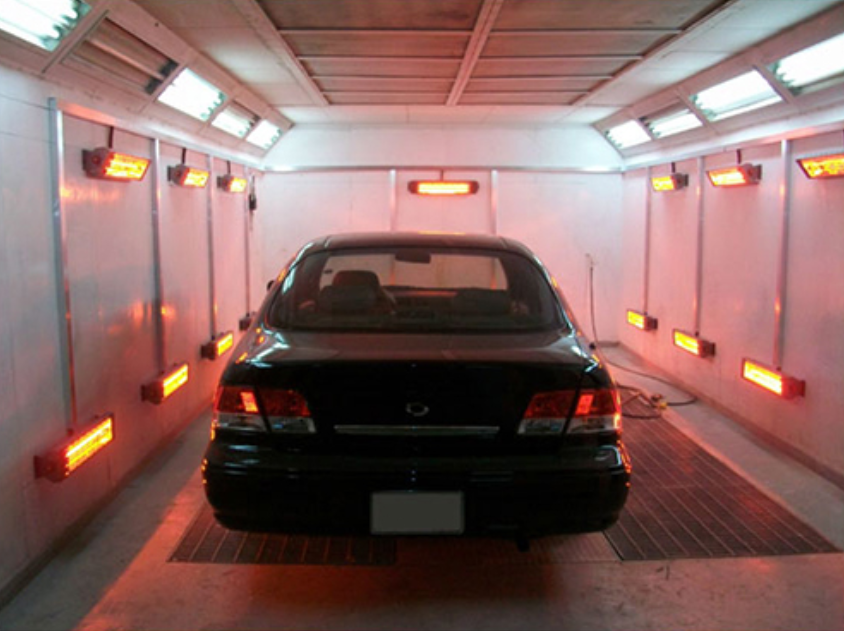
Getting the wavelength right is a great start, but the wiring and the air are where things usually go sideways. These lamps get incredibly hot. If your cooling blowers aren’t sized right, your reflectors will discolor and lose their punch in a matter of months. It’s a frustrating way to waste money. Also, keep in mind that better penetration usually means a longer wait. You’ll need to let that IR array warm up properly before the first part even hits the belt. Be patient with it. It pays off.