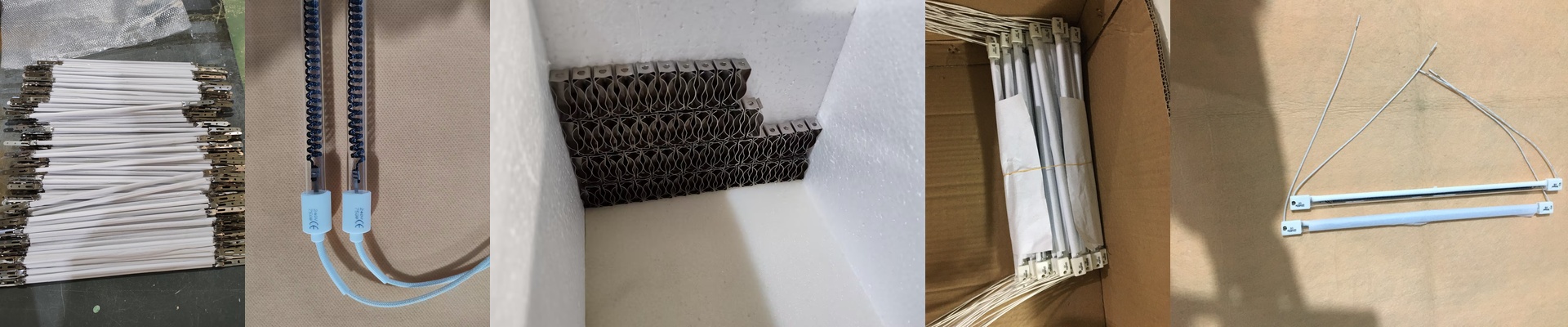
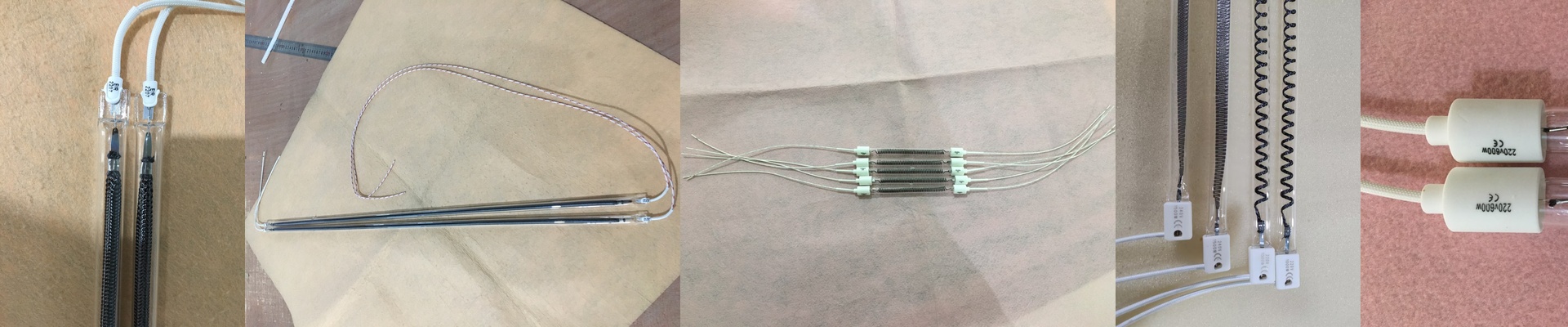
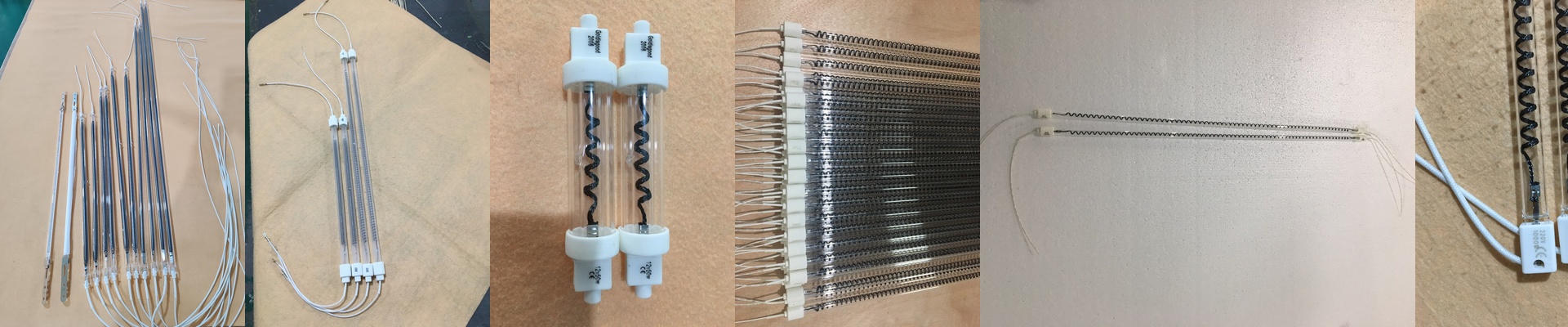
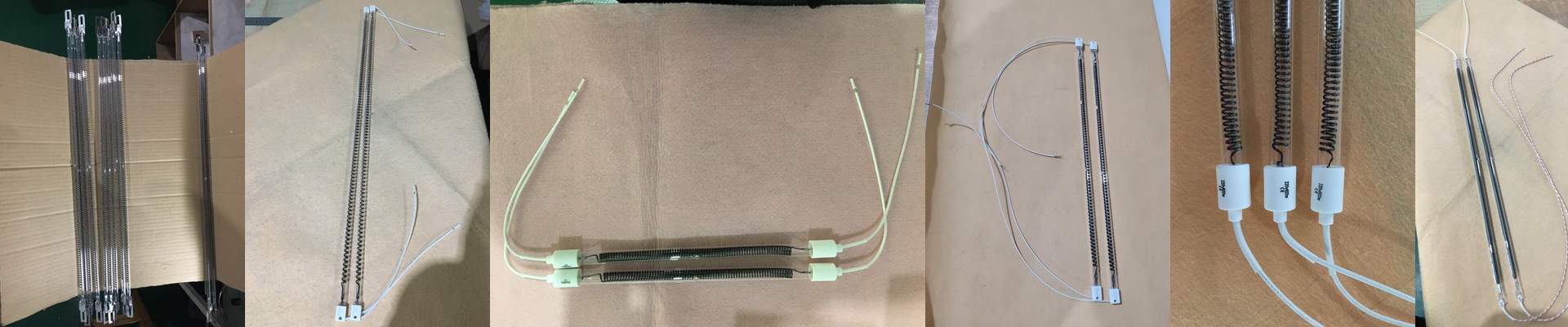
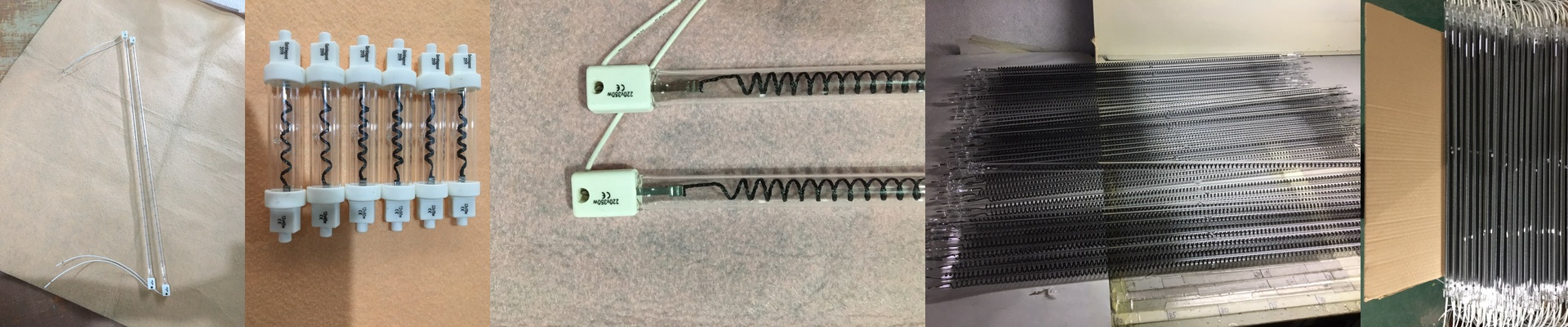
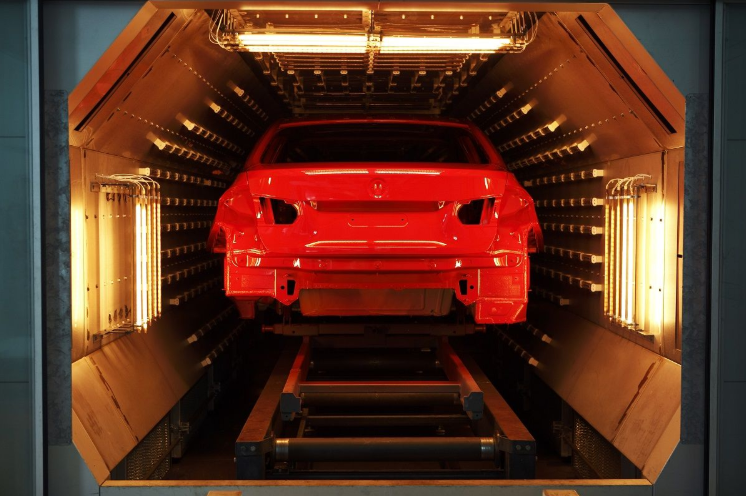
Ever wonder why some brake pads just won’t stop squealing? It usually comes down to how they’re baked. When you use a standard oven, the outside of the pad hardens way faster than the middle. This creates a mess of internal stress and uneven density. That imbalance leads to vibrations, and those vibrations are exactly what cause that annoying, high-pitched scream every time you hit the brakes. We found a better way: short-wave infrared (IR) heating. Here’s the thing about IR. Unlike hot air, which just hugs the surface, IR radiation actually dives deep into the friction material. It goes straight for the molecular bonds of the resins. We use high-intensity quartz lamps to push that heat right into the core of the pad. Because the heat is uniform from top to bottom, the pad cures evenly. You get a consistent hardness, a stable friction coefficient, and—most importantly—you kill the noise before the pad even leaves the factory. Now, to make this work, you need some serious power. We use high-wattage lamps and high-voltage setups to cram more energy into a smaller space. It makes the cycle time much faster. But there’s a catch. When these lamps are cranking at full blast, things get hot. Really hot. If your conveyor cooling and ventilation aren’t up to the task, you’re going to end up warping your holding fixtures. It’s a trade-off, but one that’s easy to manage if you plan for it. The best part? You don’t have to rip out your whole line. These systems are designed to drop right into your old curing tunnels. You can tweak the lamp distance and the timing to get the perfect cure for whatever you’re running, whether it’s semi-metallic or ceramic. Just make sure the alignment is spot on. If the lamps are off-center, you’ll get hot spots on the edges, and that defeats the whole purpose. Hook it up to a precision PID controller to keep your temps steady, and you’ll notice a huge drop in scrap rates. Better yet, the noise complaints will finally stop hitting your desk.