Getting Brake Pad Curing Right with IR Heating
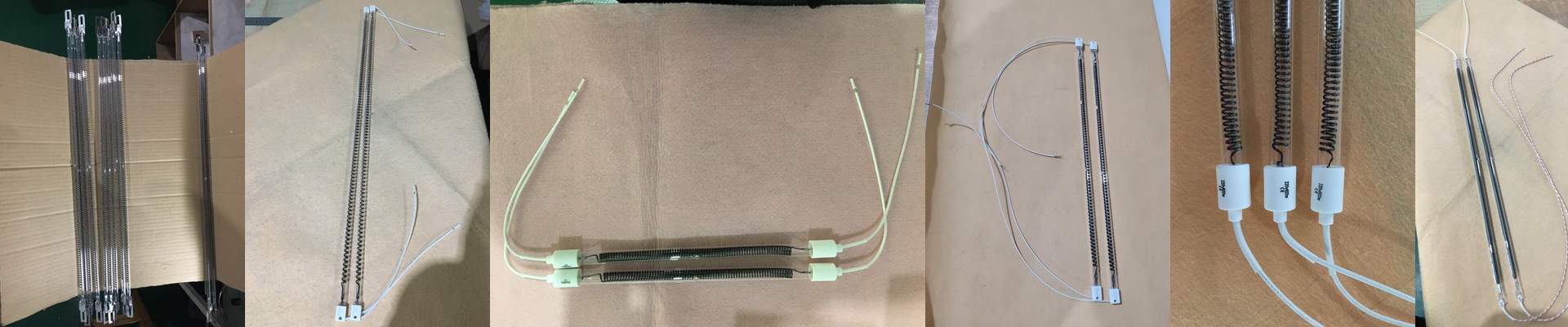
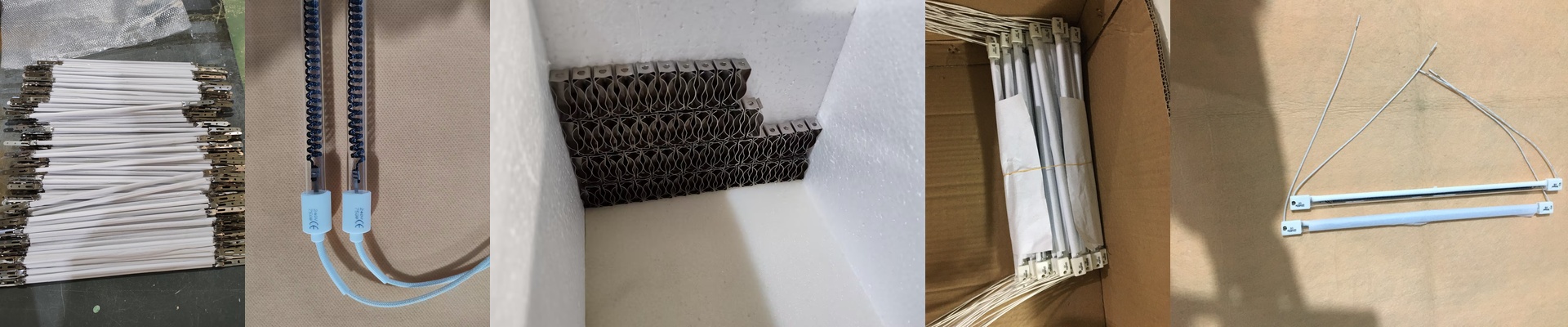
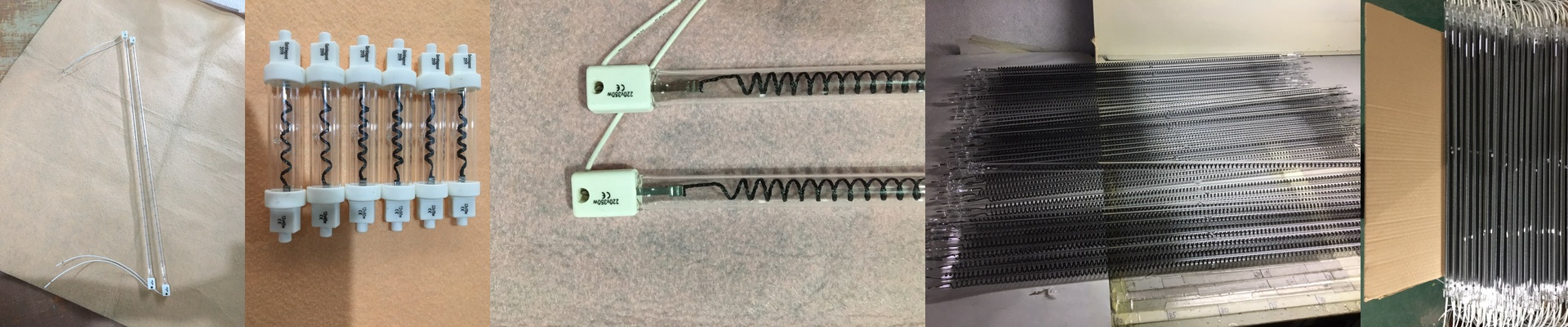
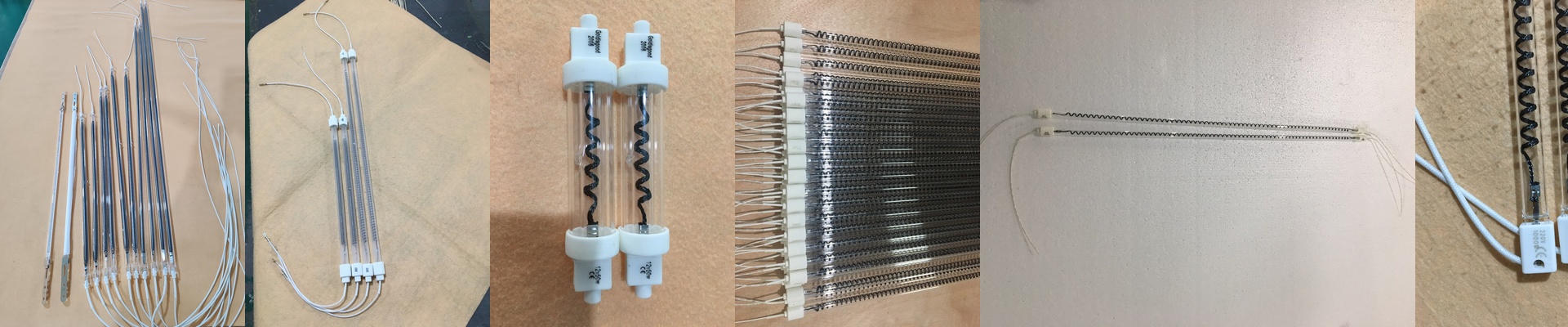
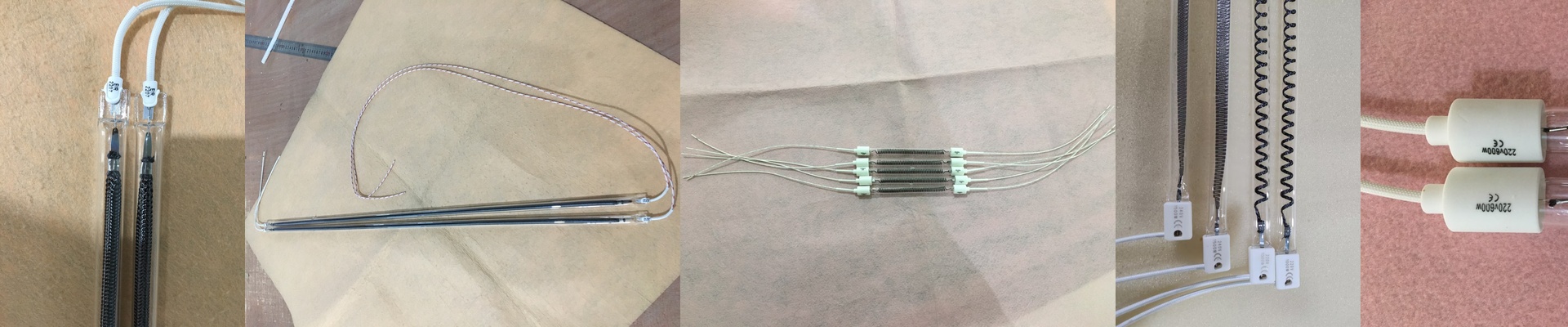
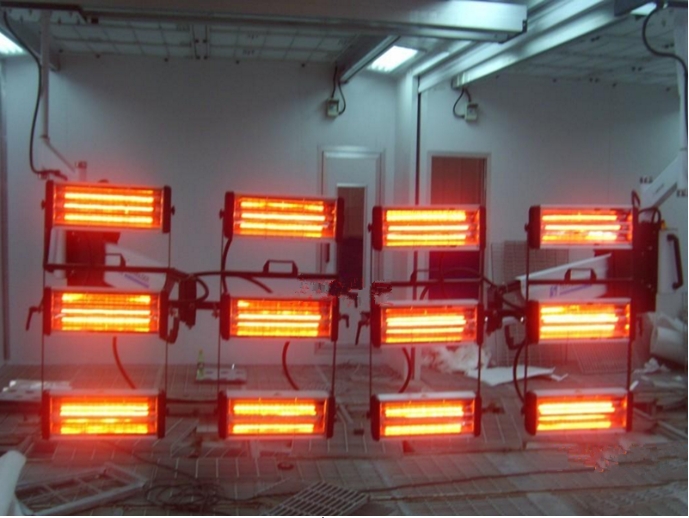
Curing brake pads is a bit of a tightrope walk. If you crank the heat too fast, those organic binders don’t just evaporate—they practically explode. You end up with a pad full of tiny holes and surface cracks that make the whole batch useless. That’s why we lean on short-wave infrared (IR) heating. It’s all about managing how the heat moves through the material. The battle against thermal cracks Here’s the thing: cracks happen when the outside of the pad cures way faster than the middle. That tension just rips the material apart. We design our IR elements to punch deep. Instead of just searing the surface, short-wave radiation reaches right into the core. This means the center and the surface cure together, in sync. But you can’t just “set it and forget it.” You need a tight PID loop. If your sensors start to drift, you get “skinning.” That’s when the outside hardens into a shell and traps gases inside. Not a good look. Dealing with power density Now, high-wattage elements are great because they get the job done fast. But there’s a catch. If you cram too many watts into one small spot, you get hotspots. To fix this, we suggest staggering where the elements sit. It stops those annoying “stripes” from appearing on the pad surface. Also, make sure your cooling system can handle the heat buildup in the oven. If it can’t, you’re just going to fry your element leads. Keeping things solid To stop those air pockets (porosity), you need a steady soak temperature. When the heat jumps around, the resin starts to foam. It’s basically the “popcorn effect,” and it ruins the structural integrity of the pad. Our elements are built to hit a stable temperature quickly and actually stay there. One last tip: keep your reflectors polished. It sounds like a small detail, but oxidation kills your efficiency. It forces the elements to run hotter than they should, which just burns them out faster. A little polish and a proper IR calibration are the only ways to make sure your pads are actually strong enough for the road.