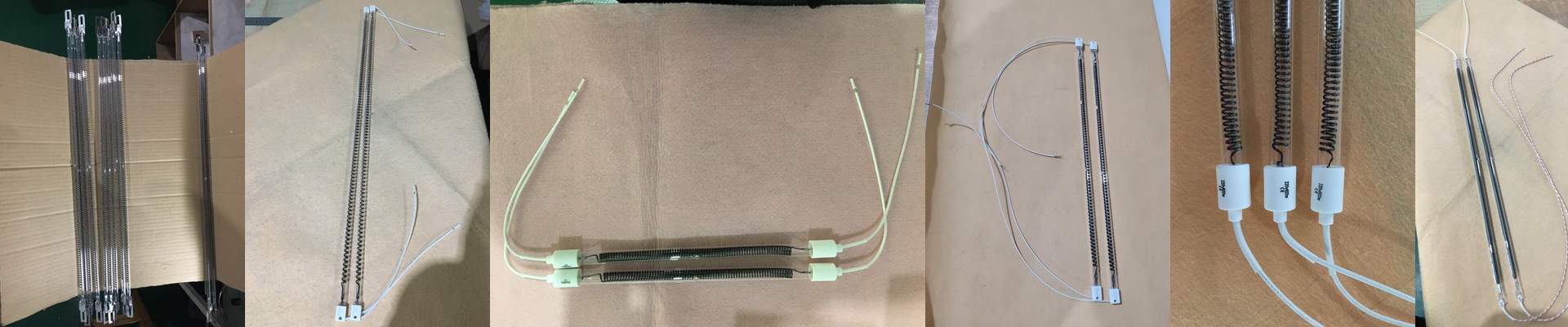
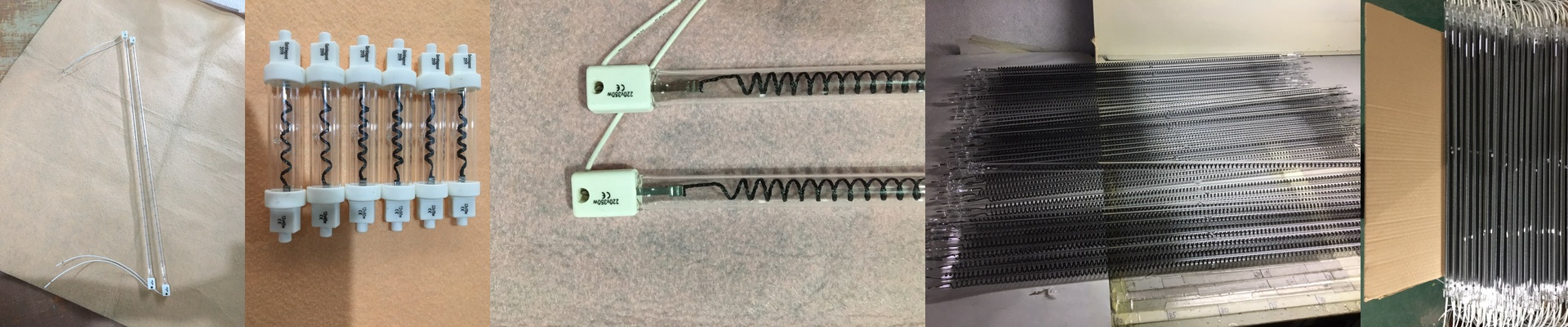
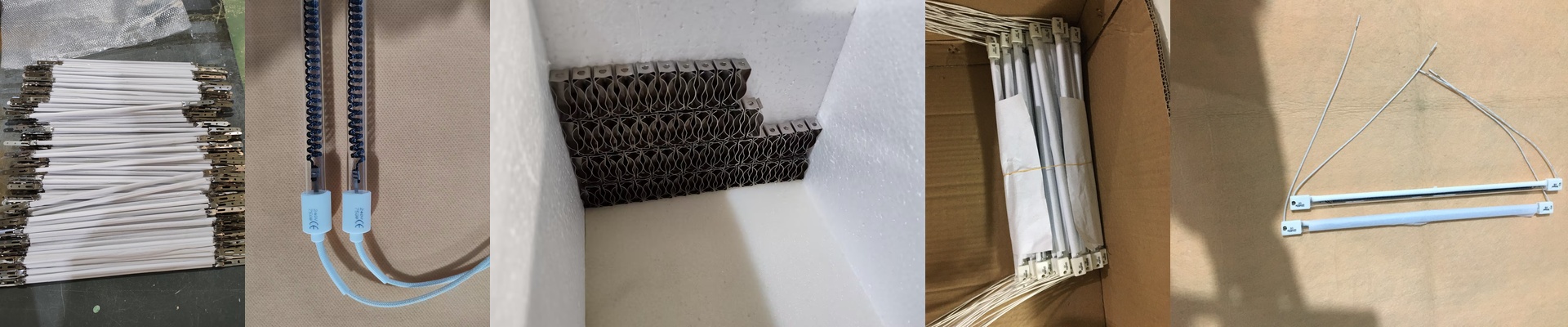
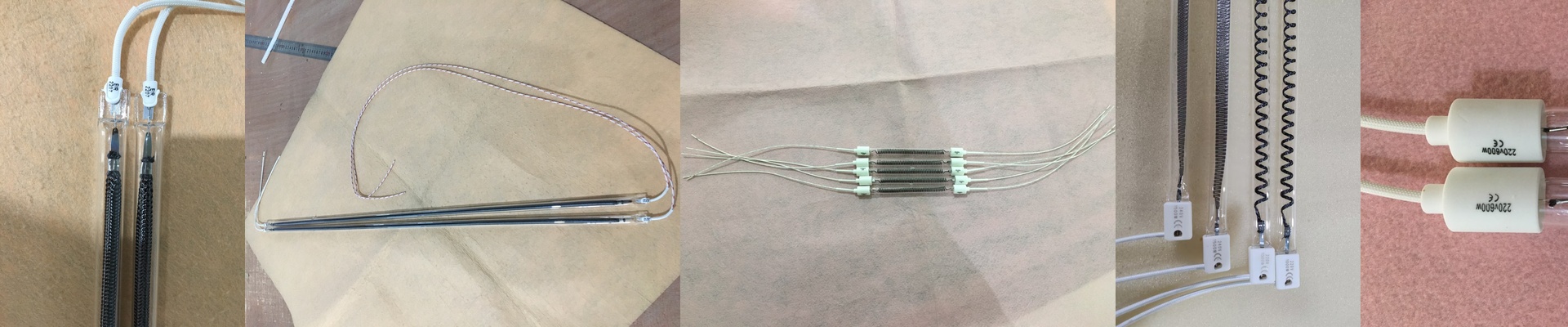
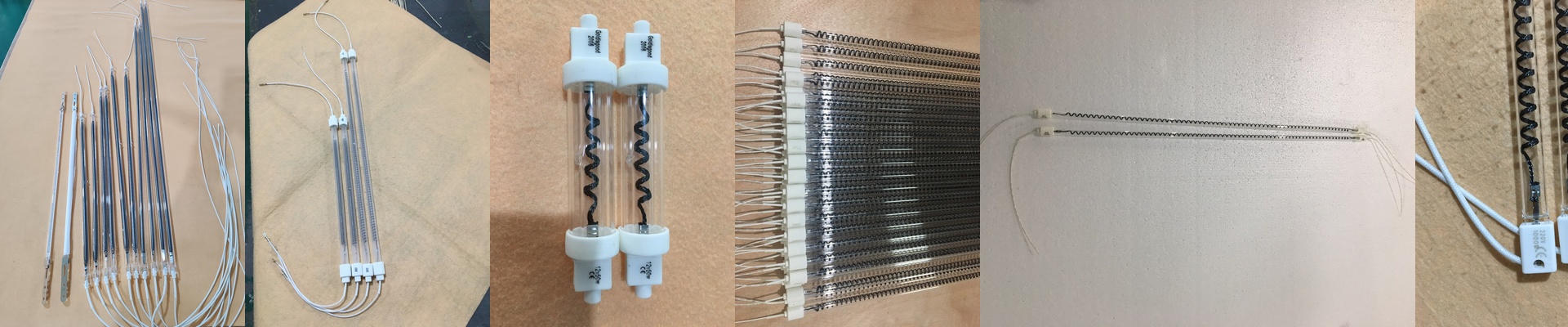
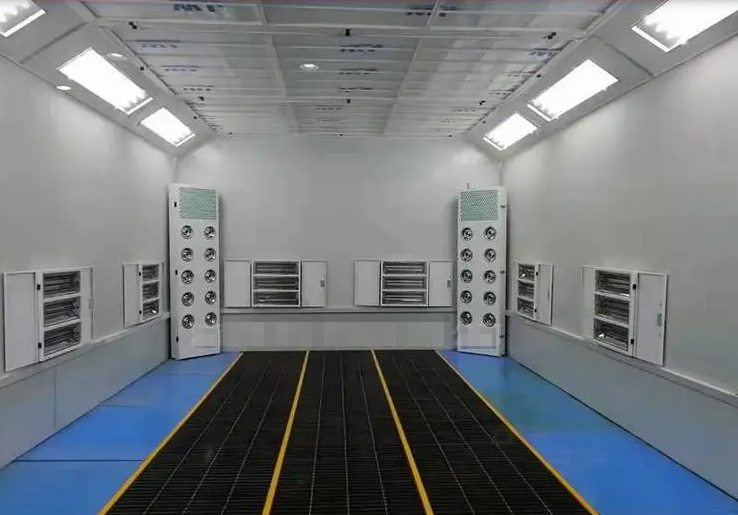
That annoying brake squeal? It usually starts way before the car hits the road. It actually starts in the curing oven. Here’s the problem: standard convection ovens heat things from the outside in. It’s like trying to thaw a frozen steak—the edges get cooked while the center stays cold. When friction materials cure unevenly, you end up with internal stress and weird density gaps. That’s where the vibration comes from. And vibration is just another word for noise. We handle this differently. Instead of blowing hot air, we use shortwave infrared (IR) emitters. Think of it as heating the whole pad at once. The IR radiation dives straight into the material, shaking up the molecules from the surface all the way down to the backing plate. Everything cures at the same speed. You get a uniform, stable piece of material, and the noise just… disappears. To make this work, you need some serious heat density. We use quartz halogen tubes—high wattage, short length. The trick is to hit that curing temperature fast so you don’t scorch the surface. One heads-up, though: these things put out a lot of energy. You’ve got to make sure your ventilation can handle the heat buildup around the housing, or you’ll be replacing burnt-out lamps way too often. We made these as drop-in replacements because nobody wants their production line down for a week. Most units use standard R7s or SK15 connectors, so swapping them out is a breeze. We also use quartz glass to make sure they don’t crack under thermal shock. Now, there is a catch. IR is a bit more temperamental than a convection oven. If your parts aren’t sitting exactly where they should be under the lamps, you’ll get hot spots. You can’t wing it—you need proper jigging. But once you’ve got it dialed in? Your curing cycles get shorter, your dimensions stay tighter, and those density gaps that cause the squealing are gone.