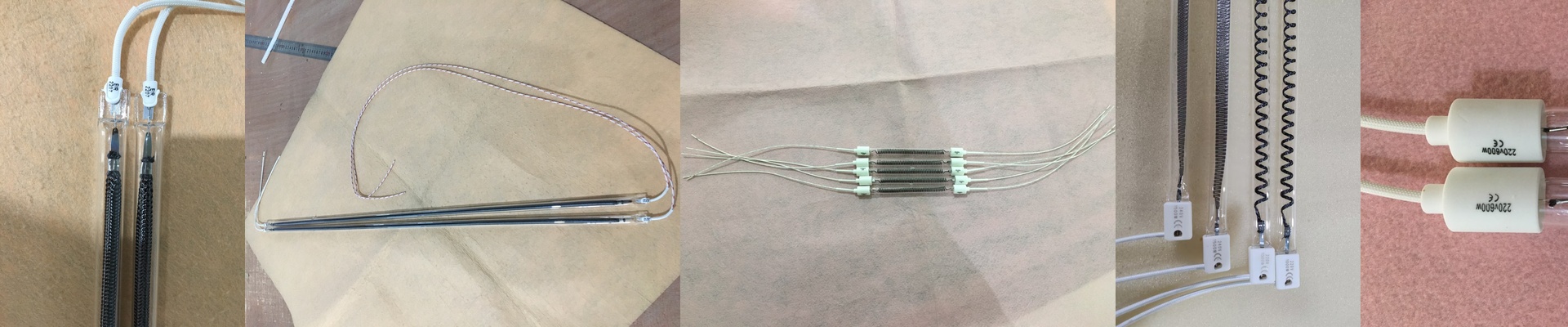
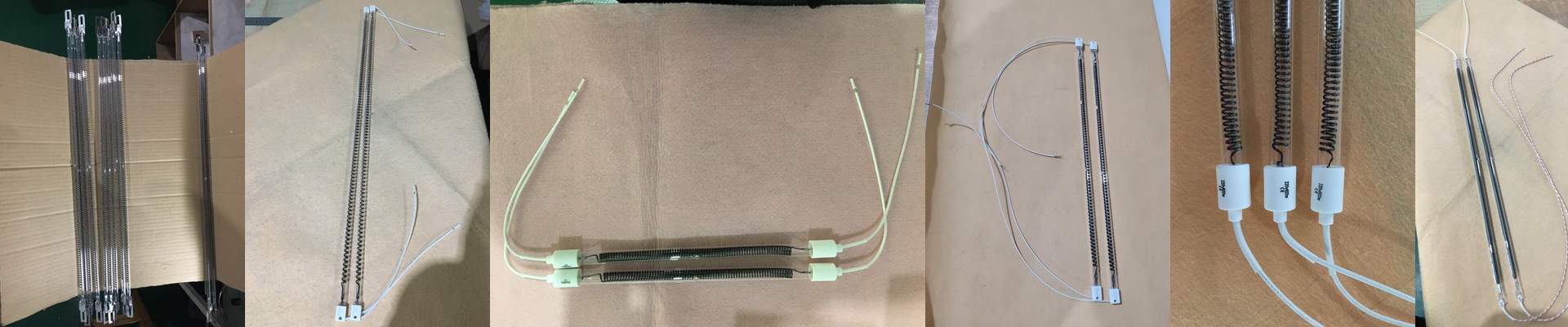
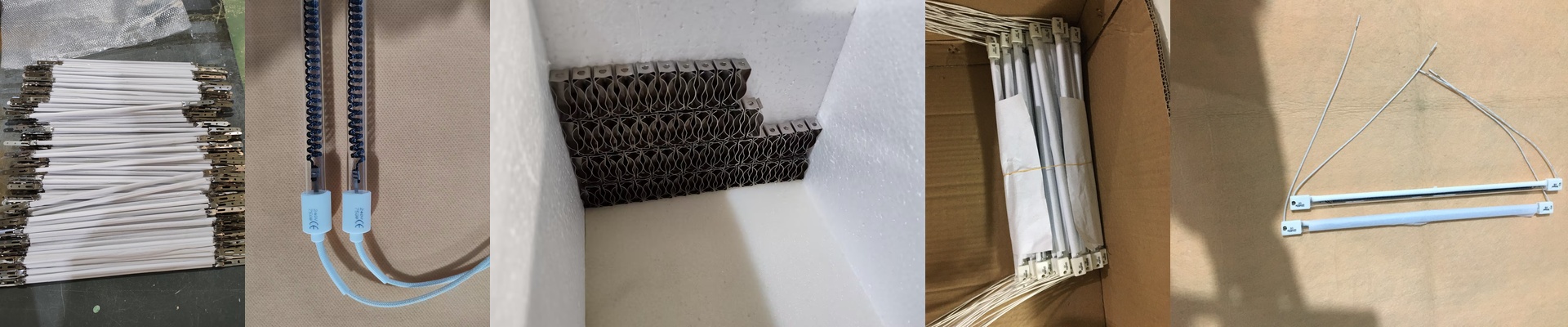
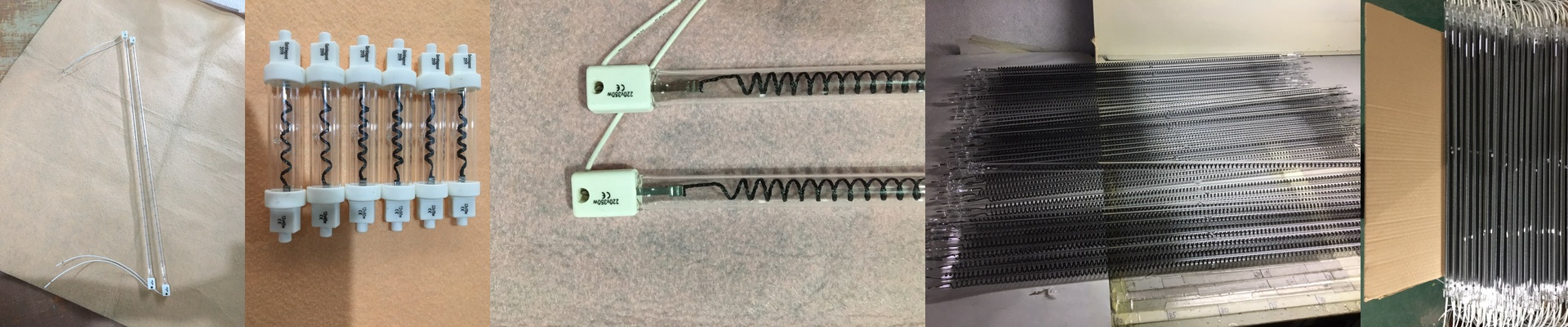
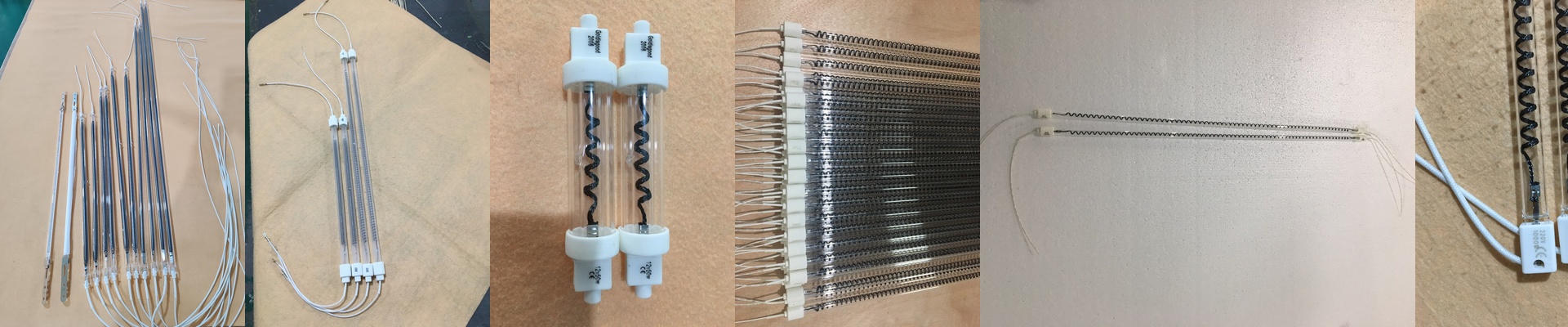
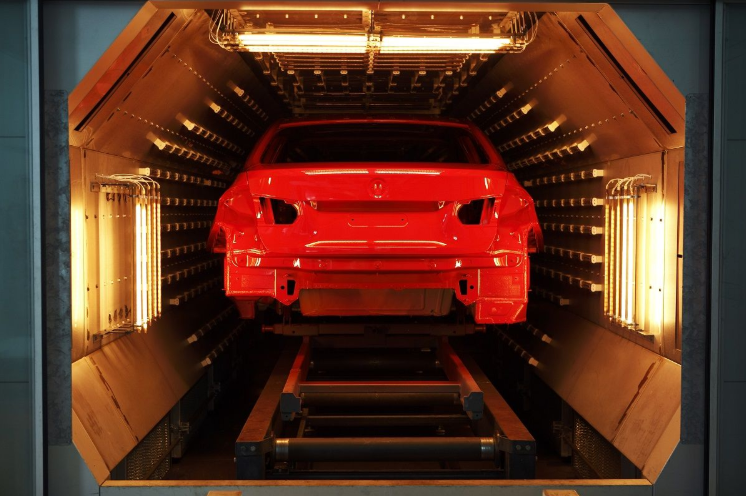
Ever pull a car interior part out of a mold only to find it’s warped? Or maybe it looks fine at first, but then it starts to “spring back” and lose its shape. It’s frustrating. The problem is usually that the part is still holding onto internal stress because the heating cycle didn’t quite do the job. Most people just throw the whole thing in a big oven and hope for the best. But heating everything uniformly is actually where things go wrong, especially when your part has a complex shape. Here’s a better way:Zonal IR control. Instead of one giant heat source, we use partitioned infrared emitters. Think of it like having a set of spotlights instead of one big overhead lamp. You can point more heat at the thick ribs and dial it back for the thin walls. By controlling the heat in specific zones, you manage the thermal gradient. This gives the polymer chains enough time to relax and actually stay put. The dimensions lock in, and the part stays the shape it’s supposed to be. But you have to be careful. If you blast too many watts into a tiny area, you’ll scorch the surface. It’s a balancing act. You also need to make sure your cooling system can handle the heat buildup around the IR housings, or you’ll end up frying your own electronics. Setting this up is pretty straightforward. You’ll want independent PID controllers for each bank of heaters. I always suggest quartz-halogen emitters because they ramp up fast. The best part? You can tweak the heat profile on the fly. You aren’t stuck waiting for a massive oven to soak. You just swap out the convection heating, cut your cycle times, and finally stop those parts from warping the second they leave the jig.