Stopping the Warp: A Better Way to Handle Automotive Thermoforming
Ever pull a part out of the mold and watch it just… shift? It’s frustrating. You spent all that time on the tooling, but the piece pops or warps the second it hits the air. That’s spring-back. It happens because the material is still “stressed out” from the heating cycle. If those internal stresses don’t relax, they’ll find a way out—usually by ruining your dimensions. The secret to stopping this isn’t more pressure in the mold. It’s how you heat the part.
Why Zonal Heating Actually Works
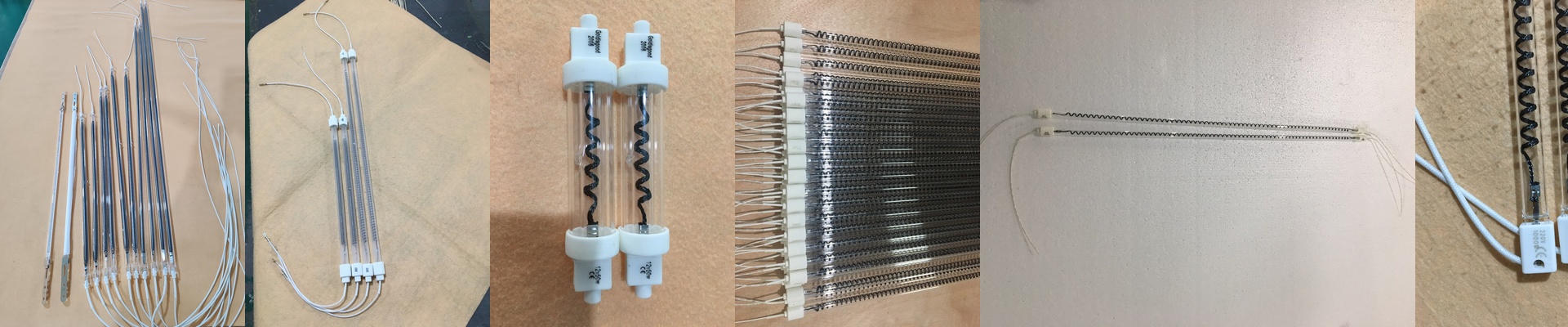
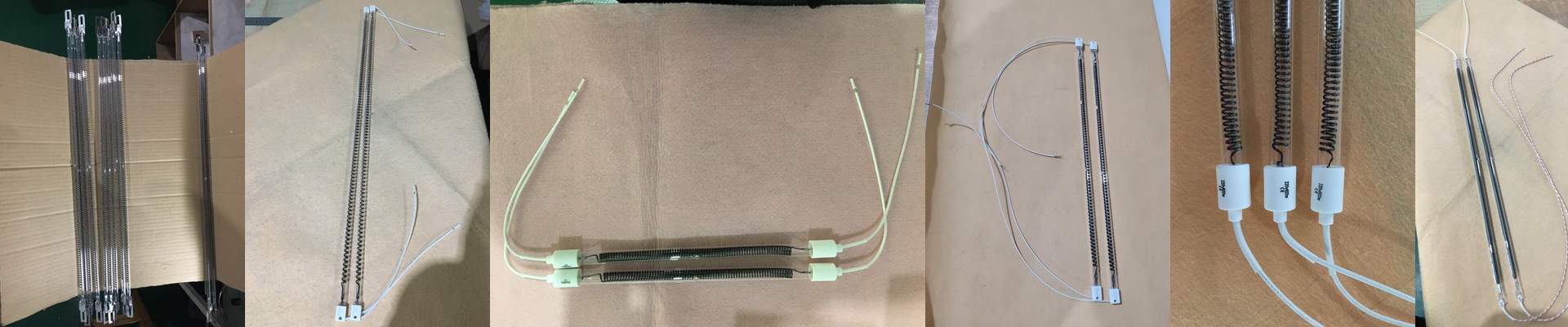
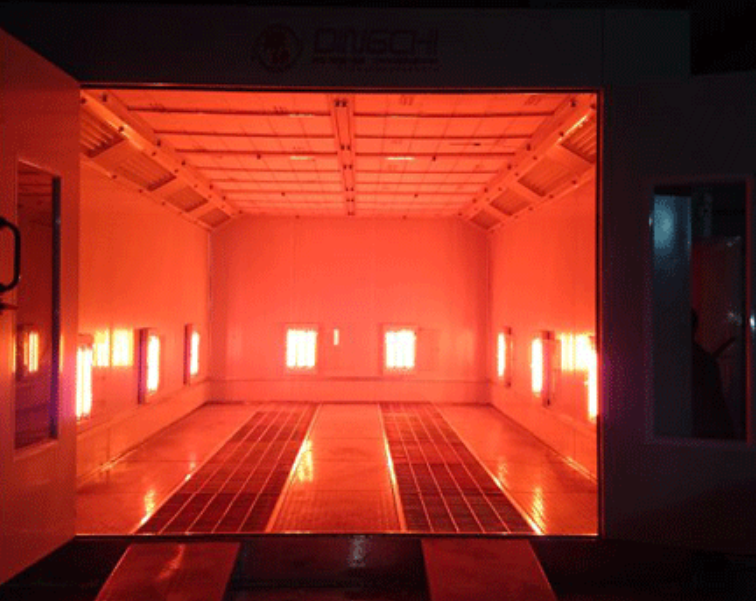
Most setups just blast the part with heat. The problem is that no part is perfectly uniform. You’ve got thick chunks and thin edges. Standard heating creates hot spots and cold zones, which means the part shrinks unevenly. Instead of one big heat source, we use zoned infrared (IR) emitters. Think of it like splitting your heater into independent banks. You can crank up the power for the thick sections and dial it back for the thin bits. This way, the whole thing hits the glass transition temperature at the exact same time. When the heat is balanced, the polymer chains finally relax. No residual stress. No “pop.” Just a part that stays where it’s supposed to.
The Hardware Side of Things
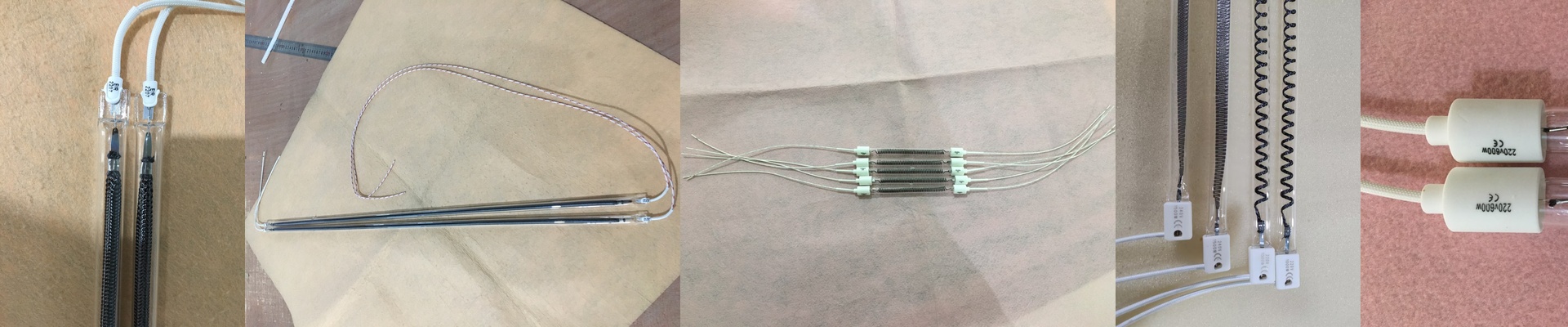
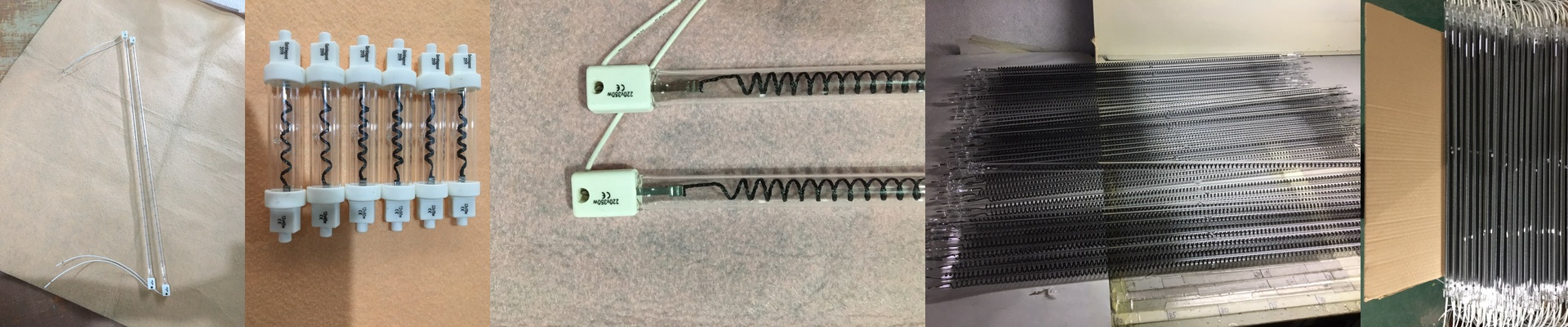
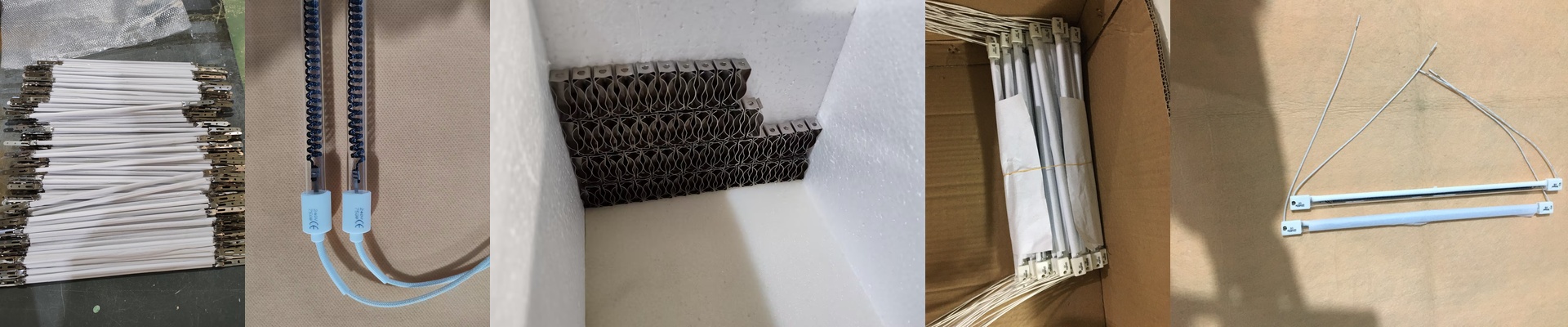
I always suggest short-wave IR for this. It digs deeper into the material than long-wave options, which keeps your cycle times fast. You’ll want to wire these into a PID controller with thermocouples that react quickly. If your sensors are sluggish, you’ll overshoot your temp and end up with a mess. But here’s a heads-up: these high-density arrays put out atonof ambient heat. If your cooling blowers aren’t up to the task, that heat will soak right back into the machine frame. Once that happens, your sensor readings start to drift and your process goes sideways. You have to make sure your ventilation can keep up with your wattage.
The Real-World Result
Once you get this dialed in, you stop guessing. You move away from that endless “try it and see” loop and actually have a repeatable spec. Your tolerances get tighter, and you stop throwing so much scrap in the bin. It’s a much cleaner way to work. Instead of fighting the material with mechanical force, you’re just fixing the problem at the molecular level before the part even hits the mold.