Stopping Cracks and Bubbles During Brake Pad Curing
Curing brake pads is a bit of a tightrope walk. If you crank the heat too fast, the outside of the pad seals up before the gases inside can get out. Those trapped bubbles create porosity and internal voids. Even worse, the material expands unevenly, which leads to thermal cracks. Once those fractures hit, the structural integrity is gone. The pad is scrap.
Why IR Heating Actually Works
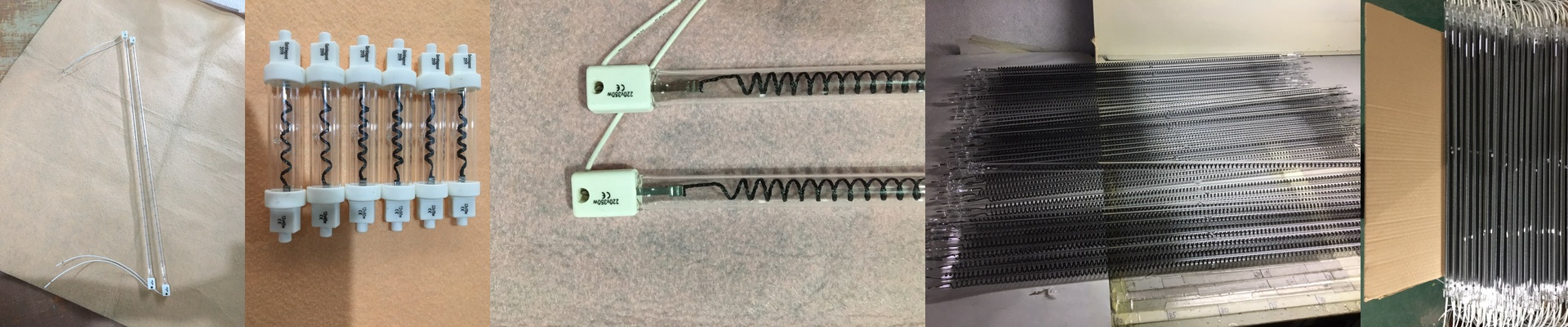
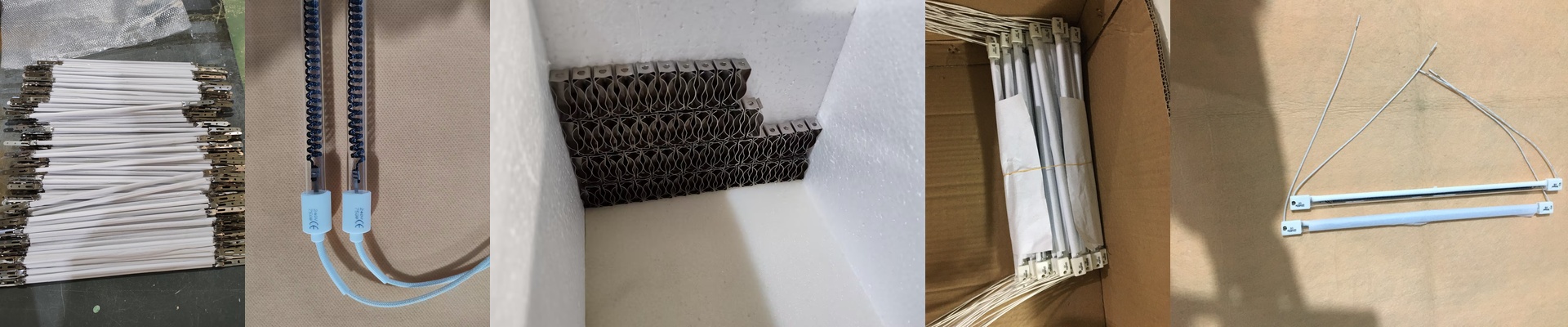
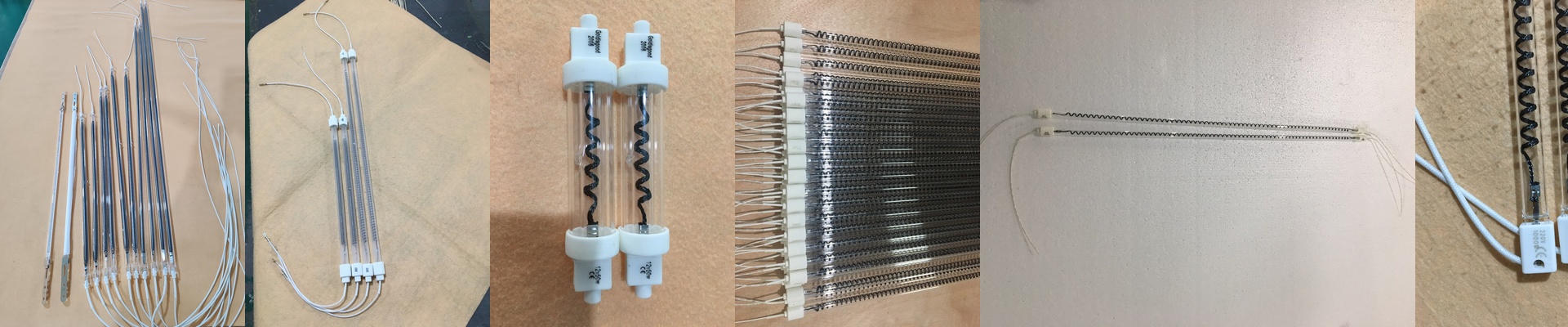
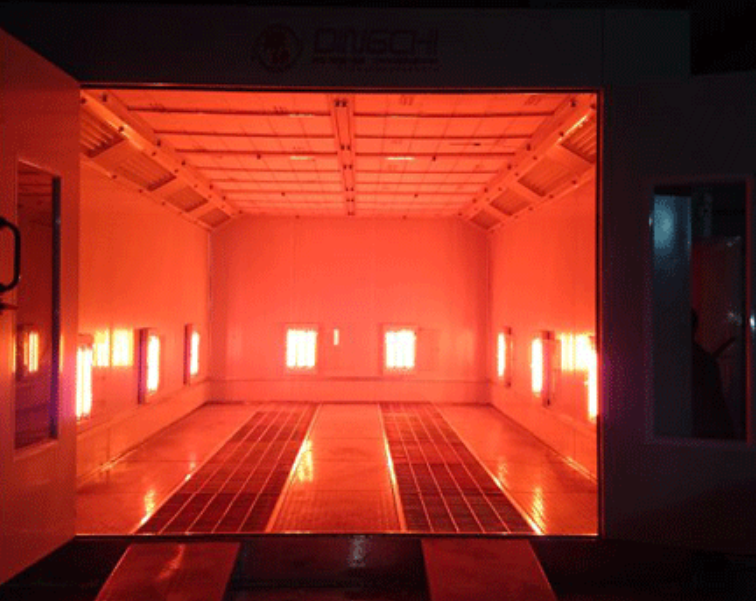
This is where short-wave infrared (IR) heaters come in. Most convection ovens just heat the air, but IR goes straight into the material. It’s a different beast. By tweaking the wavelength and intensity, you can push heat deep into the core of the pad without frying the surface. But you have to be careful with your temperature ramps. If your PID controller isn’t perfectly synced with the lamp’s response time, you’ll overshoot your target. That’s when the resins “flash-cure,” and you’ll see those nasty surface cracks appearing right before your eyes.
Dealing with Heat Density
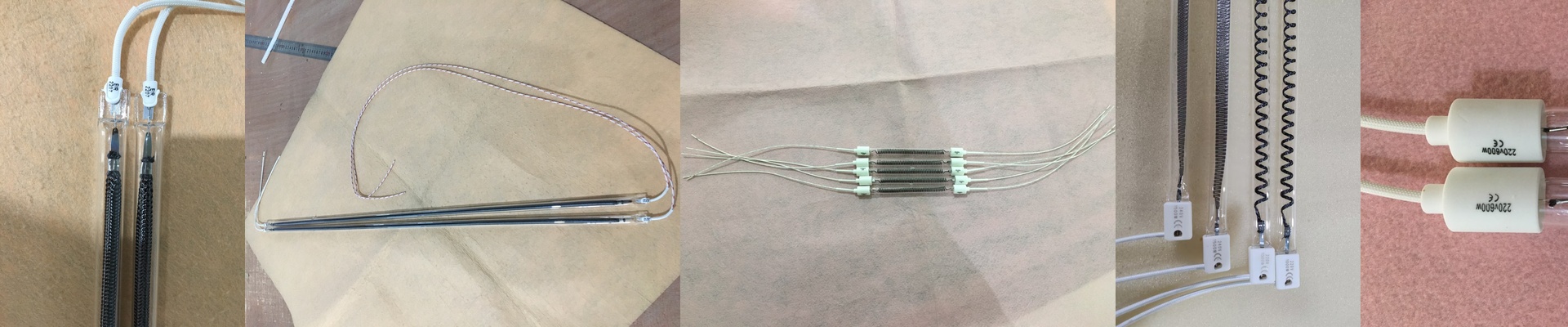
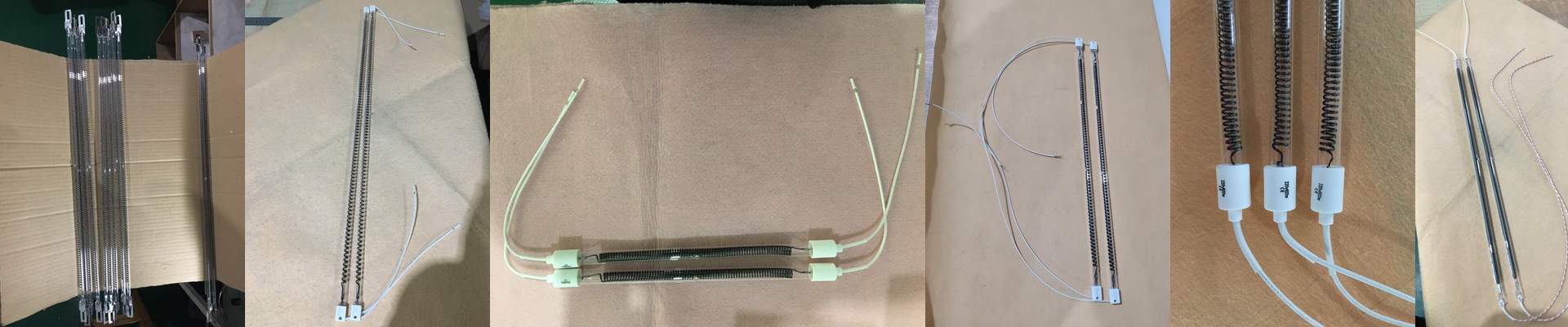
High-wattage IR lamps pack a punch. They’re great for getting pads through the line faster, but they put a lot of stress on your fixtures. I’d suggest using pulsed power or zoned heating. It stops those annoying “hot spots” from forming across the friction surface. And don’t forget about emissivity. Brake pads are usually dark, so they soak up IR like a sponge. If you run the lamps at full blast without enough distance, the surface temperature will spike instantly. Keep your sensors as close to the part as possible. If they’re too far away, the feedback loop lags, and you’re basically flying blind.
The Trade-offs
Getting your IR control dialed in means way less scrap and a much stronger pad. But it isn’t just a “plug-and-play” situation. These high-intensity setups throw off a massive amount of ambient heat. If you don’t spec out your cooling fans and shielding properly, you’re going to fry your sensors and melt your wiring. Get the airflow right. Otherwise, the heat soak will start drifting your setpoints, and you’ll be right back where you started.