Stopping Brake Squeal Before it Starts
Ever wonder why some brake pads just won’t stop squealing? Most of the time, the problem actually starts way back in the curing oven. Here’s the thing: when friction materials don’t cure evenly, you end up with weird internal stress and spots where the density is off. Once those pads hit the road, those tiny inconsistencies turn into vibrations. And vibrations? That’s where the noise comes from. Standard hot-air ovens are the culprit. They heat from the outside in. It’s like trying to thaw a frozen steak in a toaster—the surface gets scorched while the middle is still cold.
Why Infrared Actually Works
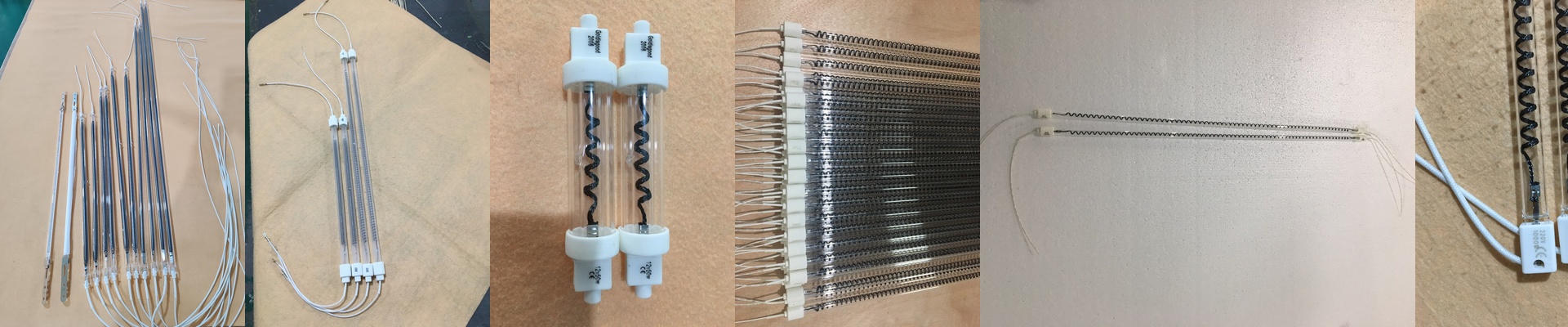
We switched to short-wave infrared (IR) emitters to fix this. Unlike a convection oven that just blows hot air around, IR radiation pushes energy straight into the material. The photons dive deep into the composite matrix. This means the resin in the center of the pad cures at the same speed as the outer skin. You get a consistent, solid part all the way through. No guesswork. No “soft spots.”
Getting the Heat Right
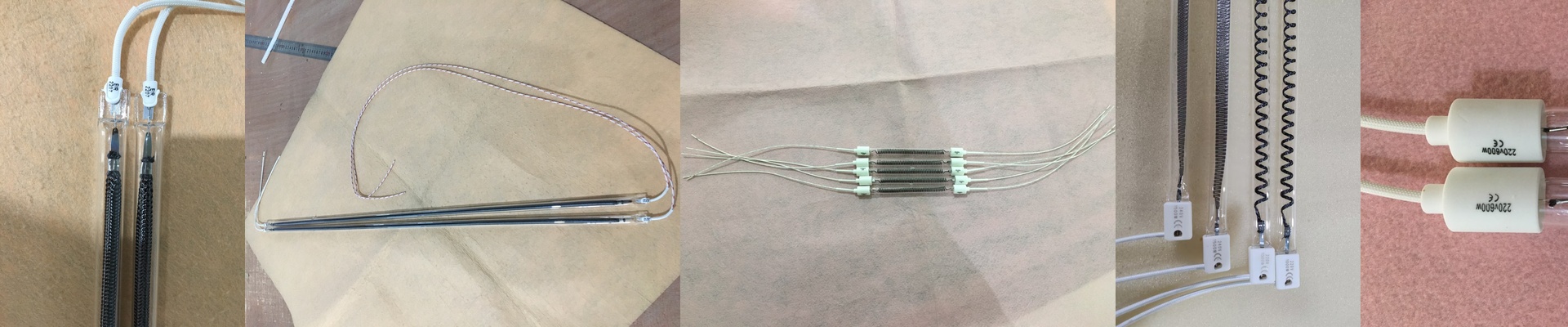
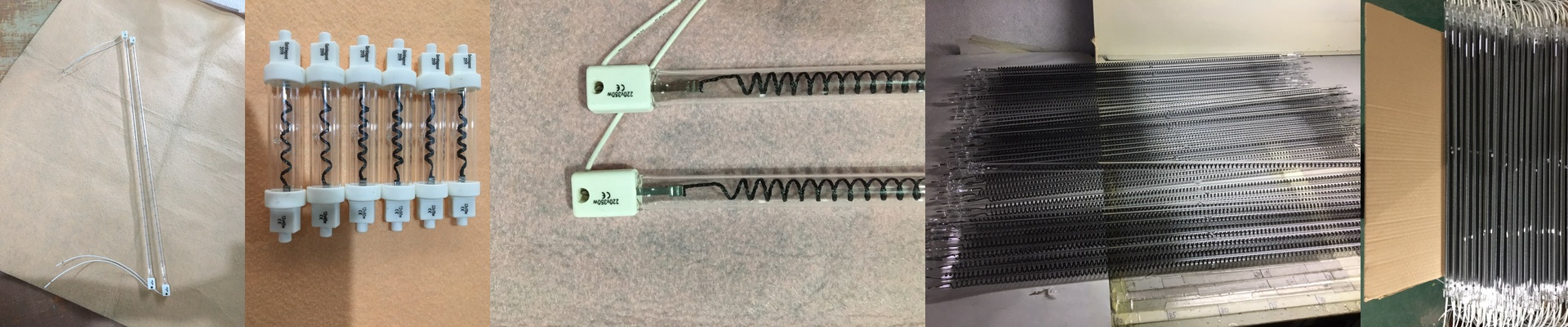
To make this happen, we use high-wattage quartz lamps. You need a lot of raw power to drive heat through those dense friction blends. But you can’t just crank the dial and walk away. If you push too many watts without watching the clock, you’ll burn the surface. It’s a balancing act. We tweak the power density and the conveyor speed until we hit that perfect thermal soak.
The Trade-offs
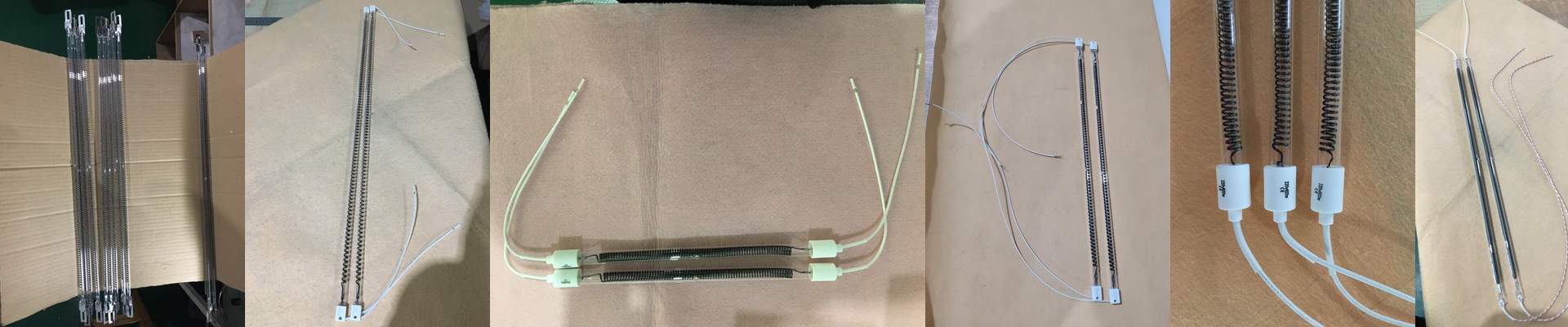
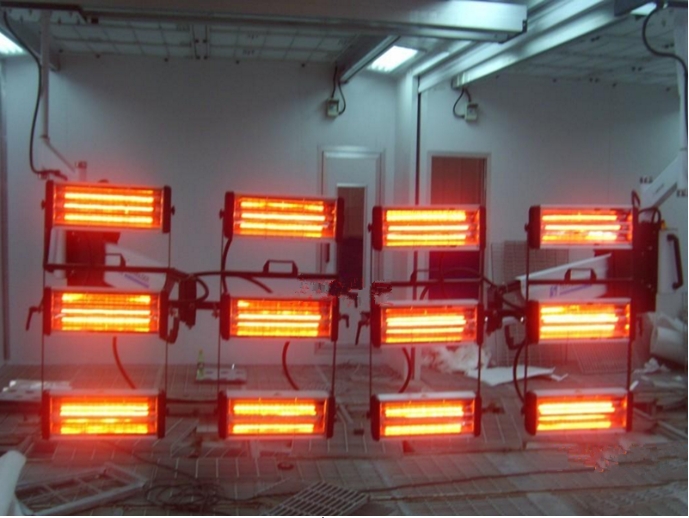
IR curing is fast. Seriously fast. It shreds the cycle times you’d see with a gas oven. But it’s not magic. IR needs a clear line of sight. If your parts are stacked or overlapping, you’re going to get cold spots. To avoid that, we have to be smart about how we wire the emitter arrays to make sure every inch of the part is covered. And one last thing: you can’t just let them air-cool. You need a properly spec’d cooling zone to “snap-set” the material after the soak. If you skip that, the parts can warp, and then you’ve got a whole different headache on your hands.